

Things to Consider Before Investing in a Washer and Dryer Combo
Combinations of dryer and washer are a great choice for those who have limited space. They are popular in Europe, these combos are an excellent choice for students, apartment dwellers and those who have mobility issues and struggle to transfer clothes from one appliance to the next.
Historically, these dryers were among the most unreliable laundry appliances, but the latest models have improved reliability in the same way as standalone dryers. They also have less space than separate dryers.
Cost
Washer dryer combos are an ideal solution for homes and apartments that do not have enough space for separate drying and washing sets. They tend to be smaller than front-load washers and dryers. They occupy half the space of an individual unit. They are ideal for those who live in tiny homes, condos and apartments where every square inch counts.
They use less energy than two separate machines however, the energy consumption is contingent on the washer and dryer performance and load size, water usage local utility rates, and other factors. Combinations of washer and dryer do not cost significantly more than separate appliances regardless of their energy usage.
While the benefits of combo washer dryers are significant, they do have some drawbacks that homeowners must be aware of prior to purchasing. First the capacity to wash is limited compared to conventional standalone washers and it's not possible to wash additional loads while drying clothes.
The dryer's capacity to dry clothes is also only as adequate as its capacity. This means you'll need to make sure the dryer is well-insulated and in good working order to ensure it is able to dry your clothing correctly. These dryers may not be compatible with dryers that require a vent to operate. This can be a problem for those living in areas that have strict building codes that require dryers to be vented. Generally, you'll only find electric, ventless units available for combo washer and dryer units.
Energy Efficiency
The good news is that washer/dryer combination can consume less electricity than two separate units. But there are a few things to consider before you purchase one.
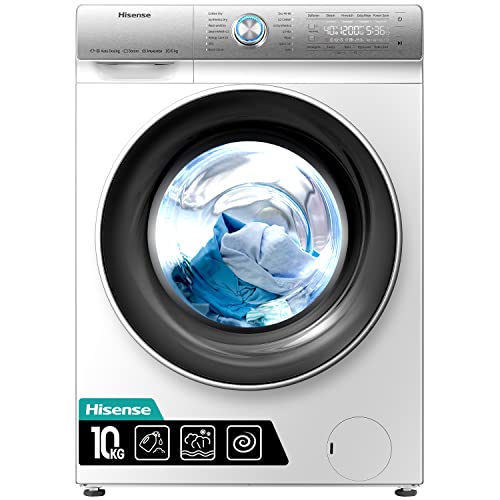
At their most basic washer dryer combo appliances resemble a standard front load washer, with dryers attached to the side. The washer dryer combination appliances operate similarly to the traditional washer and dryer with the laundry being spun with heated air and then whirled by soapy water. They are available in vented and ventless versions, with the latter using a fan to move hot water through the vent into your home, instead of having a separate vent in the wall.
The biggest disadvantage of washer/dryer combos is that they're usually less efficient at drying clothes than separate washing and drying machines. Clothes aren't always dry when the machine is finished and can end up damp if you forget to change them from the dryer to the washer. Another thing to think about is that they're more complex machinery than standalone washers and dryers which means there's a higher chance of something going wrong.
However the small size of a washer/dryer unit makes them a great choice for those who have limited space to install a separate appliance or who want to save time and effort by being able to wash and then quickly transfer their clothes from the machine to the dryer. They are also great for apartment spaces with limited space and for households that have one or two people. They are also great for those who have mobility issues, as they don't need to lift the lid of an additional dryer or reach into a cupboard to retrieve laundry.
Capacity for Washing
For those who have utilized a laundromat or a laundry center in the past washing and drying combination units offer a more efficient way to dry and wash clothes at home. However, they have some drawbacks, such as small capacities and long drying times, and poor energy efficiency ratings (except for heat pump units).
Washer dryer combos are smaller than standalone washing machines. They typically have the capacity of a 2.5-cubic-foot capacity which is sufficient to wash a few clothes. This is enough for single users in small homes. Families with more members may need to invest in two machines or wash in batches.
Compared to standalone appliances, washer dryer combos are less efficient in water usage. However, the water is required to wash and dry and therefore, they require more time to complete an entire cycle than a standalone appliance. The amount of time needed for a washer-dryer combination to complete a wash cycle is contingent on the size of the cycle, load, and the type of fabric.
A washer/dryer combo typically consumes 55 gallons of water per cycle. They are typically installed in the kitchen, however they can be put anywhere that has access to running water and electricity. The model will come with a lint trap and filter to avoid accumulation.
Washer dryer combos are an ideal option for those who have a limited space in their homes. These combos are also perfect for those who don't wish to carry their laundry from one appliance into another. This makes them ideal for those who are elderly or have mobility issues that might make it difficult to move heavy laundry from one appliance to the other. They can even be placed in a closet to provide convenience.
Drying Capacity
The dryer that is integrated inside the washer can save time since homeowners don't need to transfer their laundry manually from the washing machine to the dryer. This feature can reduce the cost of energy, since it uses less power to dry clothes. Dryer washers typically have a maximum load of between 6 and 10 pounds. This is similar to front-loading washing machines. This is an issue for people who are prone to doing a lot of laundry. However, it's beneficial for those who live in apartments or homes with smaller spaces.
The majority of combo units utilize a heat pump to help with drying This means that they can work without needing an external vent. This is a great option for homeowners who are unable to install traditional dryers due to space constraints or those who do not want to deal with venting. However, these units are not suitable for those who need to dry delicates or clothing that must be tumbled.
Another disadvantage of these units is that they usually take longer to complete a cycle than separate washer and dryer sets. A cycle can't be started when the previous one is running. This can be a challenge if you do laundry often because it can take between two and three hours to finish an entire batch.
Overall, washer dryer combinations offer many benefits for homeowners who live in cramped areas or have limited time to visit the laundromat. They eliminate the necessity of manually moving laundry between machines because they have settings that allow for a load to be cleaned and dried in one cycle. This can also reduce the chance that homeowners forget to switch over their clothes to be switched over and is left with damp, musty clothing.
Noise
A combo washer and dryer typically operates at a lower decibel level than two separate units. This makes them a great choice for open-plan living spaces, or for households that wish to save money by running loads of laundry at night, when energy costs are typically lower. These appliances are also ideal for young families with babies, or those who work from home and require to be able to silence themselves during Zoom calls when the washer starts spinning.
The quietest dryers and washers have a sound package that uses a compact motor and a wash drum lined with sound-absorbing material to reduce vibration. This technology is available in the top-rated washers of brands like Whirlpool or Samsung. Some models come with different settings to fine-tune noise and vibration levels, which is helpful when you live in a noisy area or have neighbors close by.
While washer and dryer combinations is necessary for proper laundry cleaning, it can be noisy and cause damage to fragile items. Some models offer a gentle spin option that reduces the speed of the machine, and also reduces vibration. This is an excellent option for washing delicate fabrics like silk, wool and cashmere.
It is important to remember that washer/dryer combinations generally use more energy than standalone machines, so it is best not to overburden them. This will stop excessive agitation that can damage clothes and make it more difficult to dry. It is also important to be aware of the care instructions included with your garments. Some are only dried for a specific amount of time or at a certain temperature.
If you hear a whumping noise while the washer is operating it could be due to an uneven floor or improper installation. You can use an anti-vibration pad to prevent movement or re-level the machine in these instances.